
Combining informal care and work: making practical arrangements
Combining informal care with work can be challenging, but with the right arrangements and support, it is…
Read article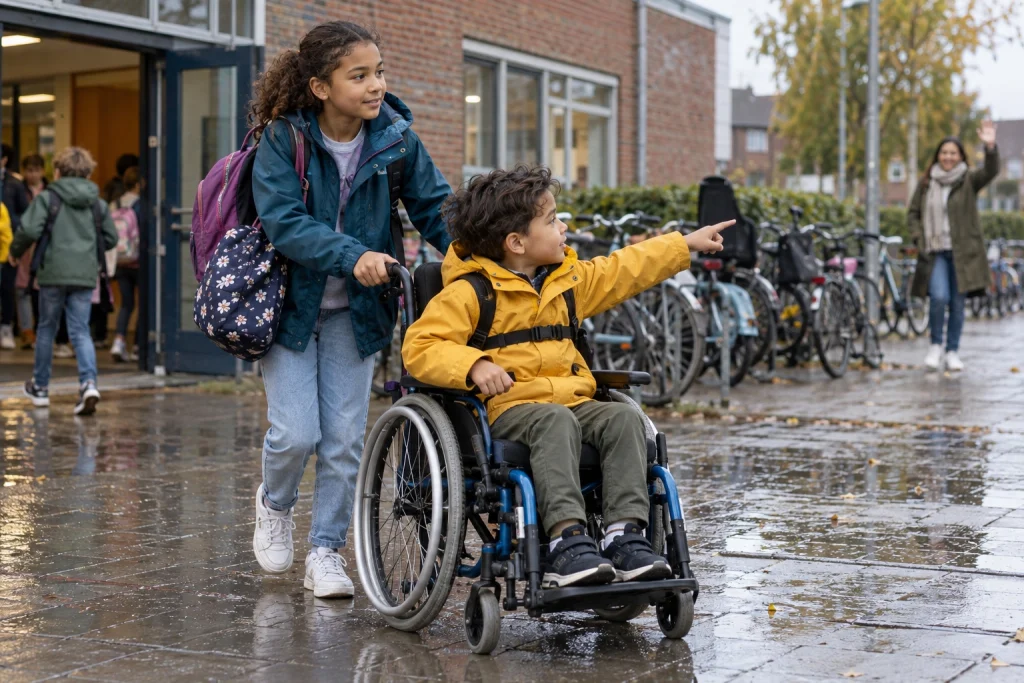
Young caregivers often care for a sick parent or family member but do not always recognize their role.
This article provides tools to identify signs of overload and where to find support.
As a young caregiver, you help a lot at home, but that can also bring challenges. It is important to know that you are not alone and that help is available. This article helps you recognize signs of overload and discover who you can talk to.
If you grow up with a family member who needs a lot of care, you are likely a young caregiver. This could be a parent, sibling, or another family member. About 1 in 4 children grow up in a household where someone needs care. You may worry, help around the house, or look after someone. As a result, you may have less time for school, sports, or friends.
Signs that you are a young caregiver:
If you recognize these signs, it is important to talk about it. You can do this with someone you trust, such as a mentor or a study advisor. You can also ask for help at the caregiver support desk. It is not a weakness to need support; it is a sign that you need to take care of yourself while caring for others.
Do you feel that it is heavy?
As a young caregiver, it can sometimes be tough to care for a sick parent or family member. It is important to know that you are not alone and that help is available. You can talk to different people about your concerns.
Who can you talk to?
It is good to share your concerns so that you can receive support. Feel free to reach out to any of these options. Have you already talked to someone about your situation?
As a young caregiver, it is important to protect your privacy, especially if you are caring for a sick parent or helping at home. Here are some steps you can take to safeguard your privacy:
It is very normal to feel overwhelmed at times. It is important to know that you are not alone and that help is available. Have you already talked to someone about your situation?
In Zoetermeer, there are various activities for young caregivers. These activities are specifically intended for children and young people who grow up with a long-term sick, addicted, or limited family member. The goal is to provide relaxation, recognition, and contact with peers.
The municipality of Zoetermeer has its own appreciation for young caregivers, and the range of activities changes throughout the year. You can find more information about the local organization and suitable activities through the young caregiver desk and the young caregiver activities desk.
Additionally, school, general practitioner, or youth professional can also provide support if the home situation affects your well-being or education. It is important to seek help if you are struggling. What would help you in this situation?
As a young caregiver, it is important to receive recognition for your role. This can happen in various ways:
It is important to know that you are not alone. What do you need to make your role as a young caregiver lighter?

Combining informal care with work can be challenging, but with the right arrangements and support, it is…
Read article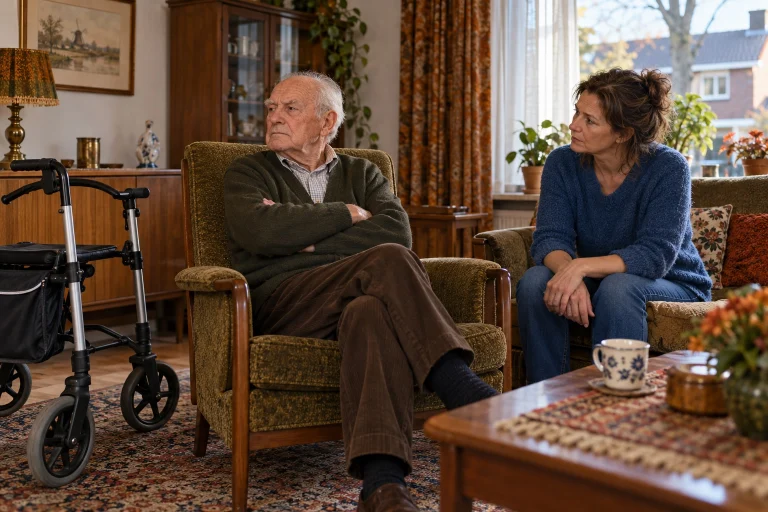
It can be difficult when your parent does not want to accept help. This article provides tools…
Read article
Dividing care within the family can be challenging, but with clear agreements and communication, it can become…
Read article
Caring for someone can raise many questions. Whether it's practical questions, doubts, sharing your worries or simply wanting to tell your story.
Sophie listens and thinks along with you – with understanding for your situation.