
Combining informal care and work: making practical arrangements
Combining informal care with work can be challenging, but with the right arrangements and support, it is…
Read article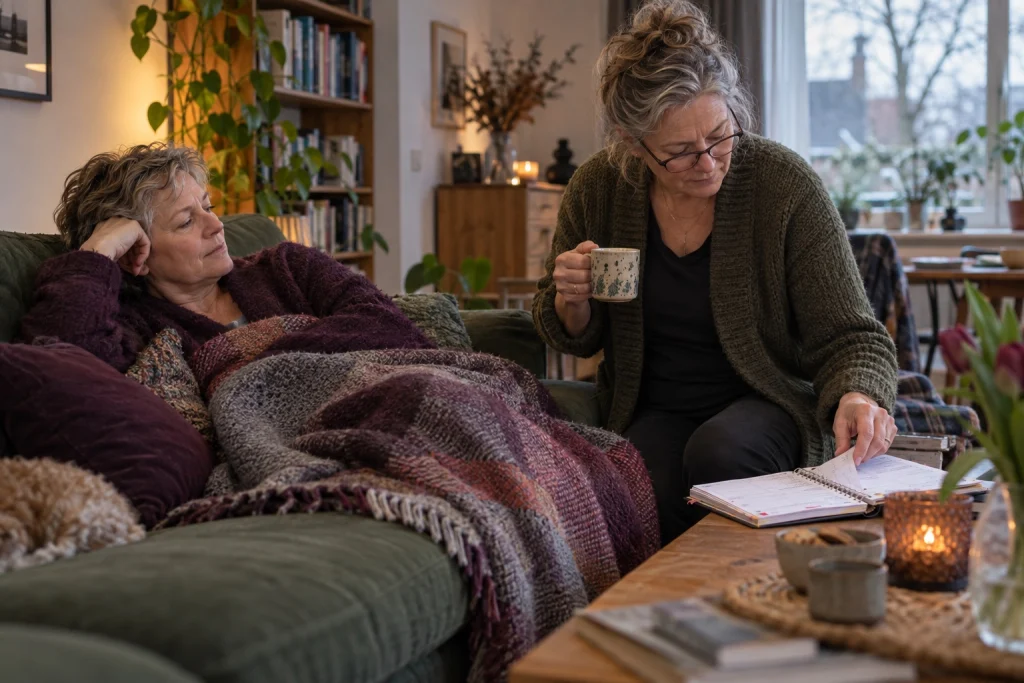
Informal care can significantly change the relationship between partners, where the caregiver role often takes precedence.
It is important to recognize these changes and work together to maintain intimacy and connection.
When your partner becomes ill and you take on the care, the relationship can change significantly. You may feel more like a caregiver than a partner, which can lead to feelings of sadness and loss. It is normal to experience these changes, and it is important to talk about them.
When the relationship changes due to informal care, it can have a major impact on the dynamics between partners. When your partner becomes your care recipient, the focus of the relationship often shifts from give and take to care and support. You may sometimes feel more like a caregiver than a loved one. This can lead to changes in intimacy and closeness. The natural affection of the past may fade into the background due to stress, fatigue, or shame.
It is important to keep communicating openly about what you both need and expect. This can help to give a place to the changes. Also, try to create moments for yourself and ensure variety in your activities, so that the relationship does not revolve solely around care. Respite care can also provide space to recharge.
Talking with other informal caregivers or a professional can be valuable. This helps to process feelings of grief over the loss of the old relationship and discover new ways of intimacy.
Living loss is a term used when you lose someone as you knew them, while that person is still alive. This can happen when the relationship changes due to informal care, for example, when a partner becomes a caregiver. The intimacy and connection you had can change due to the illness or care situation. This can lead to feelings of guilt, anger, and sadness.
To cope with these feelings, it is important to acknowledge them. Talk about it with someone you trust, such as friends, family, or other informal caregivers. This can help to share and lighten your emotions.
It is normal to experience these feelings, and sharing them can provide relief. How do you feel in this situation?
When the relationship changes due to informal care, maintaining intimacy can be a challenge. When your partner is also your care recipient, your dynamics change. You are not only a loved one but also a caregiver, which can disrupt the balance. The natural closeness of the past may fade into the background.
Intimacy can change due to factors such as fatigue, stress, or shame about the body. This does not mean that love is less, but it can be more difficult to share affection or sex. Intimacy includes more than just sex; it also involves talking together, cuddling, or enjoying small moments.
It is important to talk openly with each other about these changes, no matter how difficult that may be. If you cannot resolve it together, it may help to have a conversation with a general practitioner or a sexologist. Additionally, respite care can give you some peace and space to restore intimacy in the relationship.
What could be a first step for you to talk about this?
When the relationship changes due to informal care, it is important to create small moments together. This can help to maintain the connection, despite the changes that care brings. Here are some tips:
It is normal to feel sadness about the changes in your relationship. Talk with other informal caregivers or a professional to give these feelings a place. How do you feel about these changes?
When the relationship changes due to informal care, it can be a challenge to maintain balance. Caring for a loved one takes a lot of energy and can lead to feelings of exhaustion. Do you notice that you are constantly tired, sleeping poorly, or worrying a lot? These are signs that you may be taking on too much. It is important to take these signals seriously and seek help.
Remember that setting boundaries is not a weakness, but a necessary step to care for both yourself and your loved one. How do you feel about the situation now?

Combining informal care with work can be challenging, but with the right arrangements and support, it is…
Read article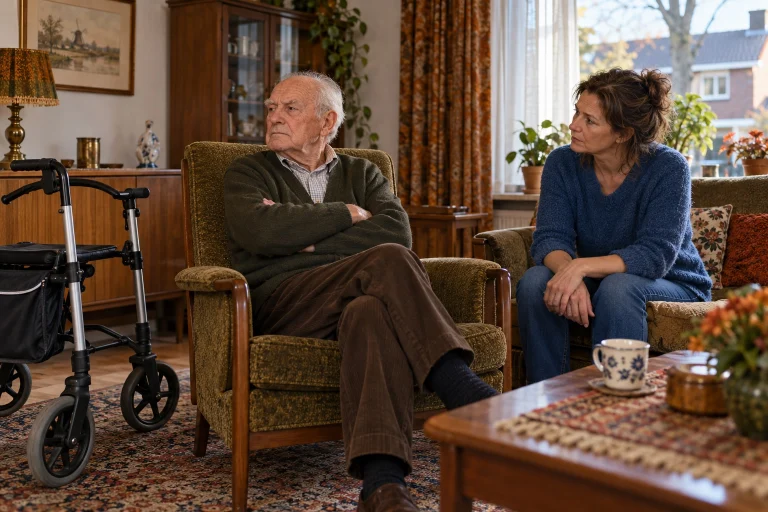
It can be difficult when your parent does not want to accept help. This article provides tools…
Read article
Dividing care within the family can be challenging, but with clear agreements and communication, it can become…
Read article
Caring for someone can raise many questions. Whether it's practical questions, doubts, sharing your worries or simply wanting to tell your story.
Sophie listens and thinks along with you – with understanding for your situation.