
Living will informal care: what should you arrange in time?
This article discusses the importance of a living will and power of attorney for informal caregivers, including…
Read article
This article discusses the rules, costs, and agreements related to placing a caregiver home in the garden.
It provides practical information about permits, utilities, and the implications of the caregiving situation.
If you are considering placing a caregiver home in your garden, there are several factors to take into account. It is important to know what rules apply, whether you need a permit, and what the costs are. This article helps you get a clear picture of what is involved in placing a caregiver home.
A placing a caregiver home can often be done without a permit, but there are rules you need to consider. Since 2014, it has been possible to build a separate living space on your own property without a permit, such as a detached building in the backyard or an extension to your house. However, the rules regarding size, height, and fire safety still apply.
If your house is a monument or located in a protected area, you usually do need a permit. It is also important to know that the municipality determines what is allowed, and this can vary by location. If the caregiving stops, the home can no longer be used as an independent residence.
Here are some steps you can follow:
For more information about the rules in your municipality, you can consult your municipality's website.
The costs of placing a caregiver home can vary depending on several factors. When placing a caregiver home, you should consider the following costs:
There is no national scheme that covers all costs. Sometimes the municipality offers support for specific costs, such as travel expenses or special assistance. It is wise to inquire with your municipality and health insurer about the current conditions and possibilities for reimbursements. Keep receipts and track why you incur costs, as this may be important for any reimbursements.
When placing a caregiver home, there are various matters to consider, including utilities. When you place a caregiver home, you need to ensure it is properly connected to the necessary utilities such as water, electricity, and gas. This can sometimes be straightforward, especially if the home is close to the main building.
Here are some important points to keep in mind:
Make sure you are well-informed about the rules and possibilities before you start placing the caregiver home. Have you already thought about where you want to place the home?
When the caregiving situation ends, there are important rules for the caregiver home. A caregiver home can often be placed without a permit, but if the caregiving stops, the space can no longer be used as an independent residence. This applies to all forms of caregiver homes, such as a detached building in the backyard or a converted garage.
It is important to check with the municipality what the specific rules are in your situation. This can vary by municipality. In some cases, the municipality may request a statement from an expert if there is doubt about the caregiving relationship.
Here are some steps to follow when the caregiving ends:
It is wise to arrange this in a timely manner so that you are not caught off guard. Have you already thought about what you want to do when the caregiving stops?
When placing a caregiver home, it is important to make clear agreements. This helps to prevent misunderstandings and ensures that everything runs smoothly. Here are some important points to consider:
By making these agreements clearly, you ensure that living together with your loved one goes smoothly and pleasantly. Which of these points do you find most important to discuss further?
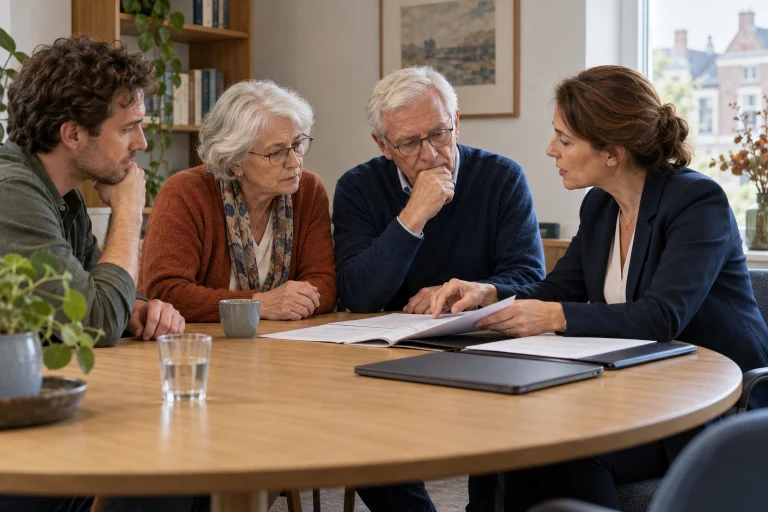
This article discusses the importance of a living will and power of attorney for informal caregivers, including…
Read article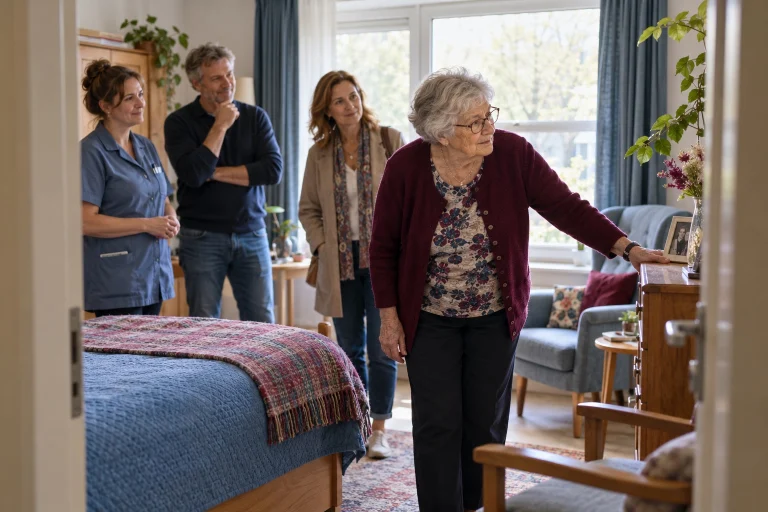
This article explains when someone is entitled to a Wlz indication and how to apply for it.…
Read article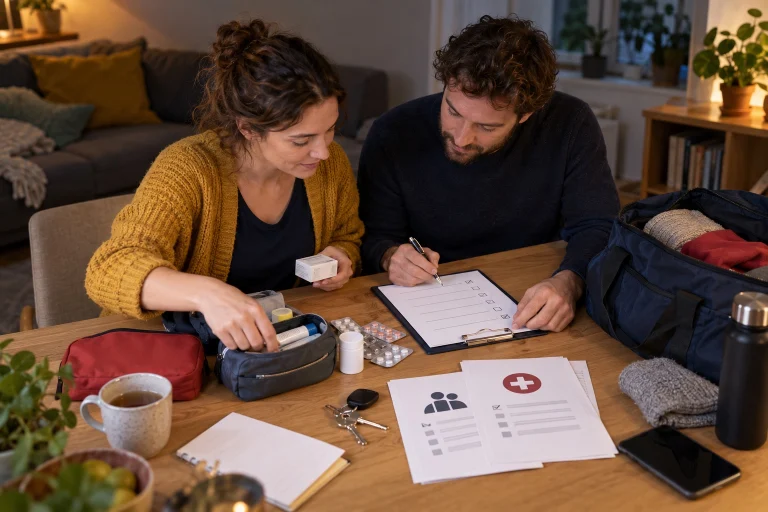
An emergency plan is essential for informal caregivers to ensure that care for their loved ones continues…
Read article
Caring for someone can raise many questions. Whether it's practical questions, doubts, sharing your worries or simply wanting to tell your story.
Sophie listens and thinks along with you – with understanding for your situation.