
Requesting aids Wmo: here’s how it works
In this article, you will learn how to request an aid such as a wheelchair through the…
Read article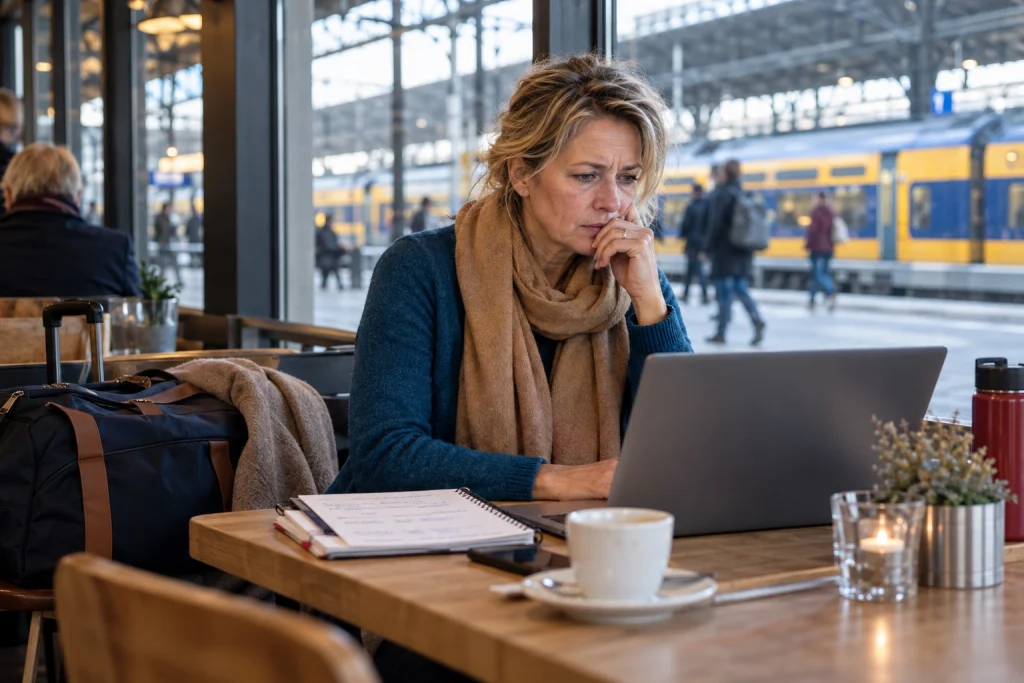
This article discusses how personal alarms and smart aids can help the elderly stay safe at home.
We cover the various options, privacy issues, costs, and the importance of human contact.
It is an important question whether your mother can stay safe at home alone. Personal alarms and smart aids can play a significant role in this. They not only provide extra safety but also peace of mind for you as a caregiver. Let’s look at the possibilities and points of attention.
A personal alarm is a system that helps the elderly get quick assistance in case of an emergency. With a personal alarm, your loved one can contact a call center, for example, via an alarm button at home. This provides extra assurance if someone falls, suddenly becomes unwell, or gets lost. It is important to know that a personal alarm is not a substitute for constant supervision or a direct call to emergency services in life-threatening situations.
When using a personal alarm, it is good to discuss in advance who will respond to an alert, how that person will enter, and what happens if you are not reachable. The costs for personal alarms can be reimbursed through health insurance, the municipality, or the Long-term Care Act (Wlz), depending on the situation. It is wise to ask the provider about the conditions.
For more information about personal alarms, you can visit the Regelhulp website.
There are various smart aids that can help the elderly live safely at home. An important aid is the personal alarm. This alarm allows the elderly to quickly call for help in case of an emergency. Additionally, there are alarm buttons for home, which are easy to use and can make an immediate alert.
Other useful aids include medication dispensers, which ensure that medications are taken at the right time. This can help prevent medication errors. Also, video calling with care can be a valuable addition, as it facilitates contact with caregivers and provides a sense of connection.
It is important to discuss in advance what problem the aid solves and to ask for permission from the loved one. This ensures that the chosen solution best fits the situation.
When using smart aids, such as a personal alarm for the elderly, it is important to pay attention to privacy and data protection. These aids, such as an alarm button at home or a medication dispenser, can provide valuable support, but they also raise questions about data collection and sharing.
It is essential to evaluate whether the aid truly provides peace of mind for both of you and to remember that technology is not a substitute for human contact or professional care.
Personal alarms provide the elderly with an extra safety net at home. With a personal alarm, your loved one can quickly contact a call center in an emergency, such as a fall or sudden illness. However, this system does not replace constant supervision or an emergency call to 112.
The costs of personal alarms can vary. Often, there are options for reimbursement through health insurance, the municipality, or the Long-term Care Act (Wlz). It is important to inquire with the provider about the conditions and reimbursements.
For aids such as an alarm button at home or a medication dispenser, you can also contact the municipality. If you need an aid temporarily, you can often borrow or rent it through the health insurer. For long-term use, you need to make a Wmo notification to the municipality. This can be done through the municipality's office, where you can discuss which aid best fits your loved one’s situation. Sometimes there is a personal contribution through the CAK.
Do you have specific questions about what is best for your situation?
Human contact is crucial, especially for the elderly living at home. Smart aids such as a personal alarm for the elderly or a home alarm button can provide support, but they do not replace personal interaction. Technology can help ensure safety, but it is important to realize that it can also create pressure due to constant alerts.
It is good to discuss in advance what problem the aid solves and who has access to the collected data. Ask for permission from your loved one and choose the least intrusive solution. Evaluate after a trial period whether the aid truly provides peace of mind.
Additionally, daily contact, such as through a volunteer phone service, can be a valuable addition. This ensures attention and connection, which is important for well-being.
What do you think is the most important aspect of human contact in caring for your loved one?
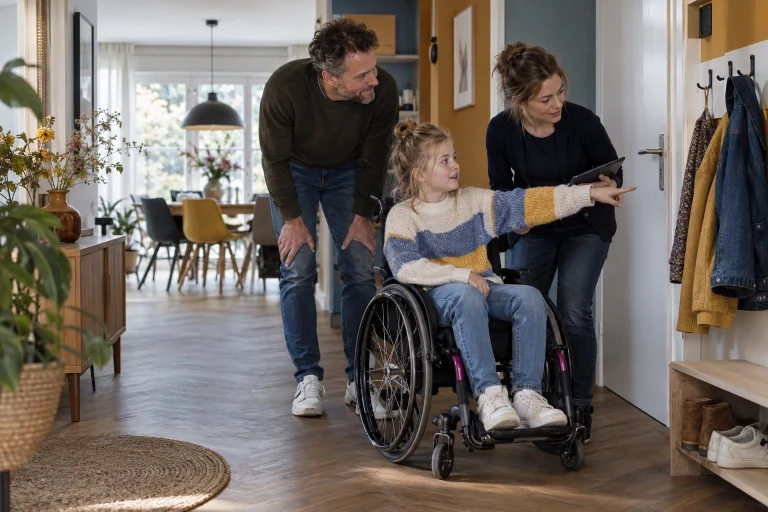
In this article, you will learn how to request an aid such as a wheelchair through the…
Read article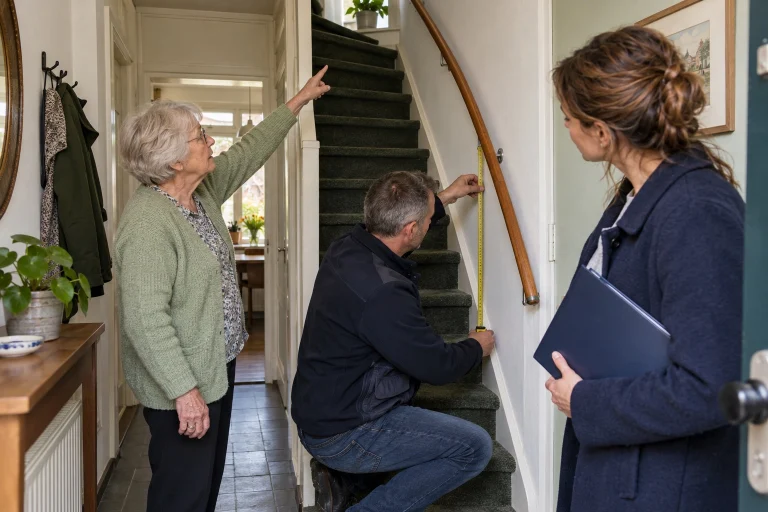
This article explains how to apply for a stairlift through the Wmo, what the costs are, and…
Read article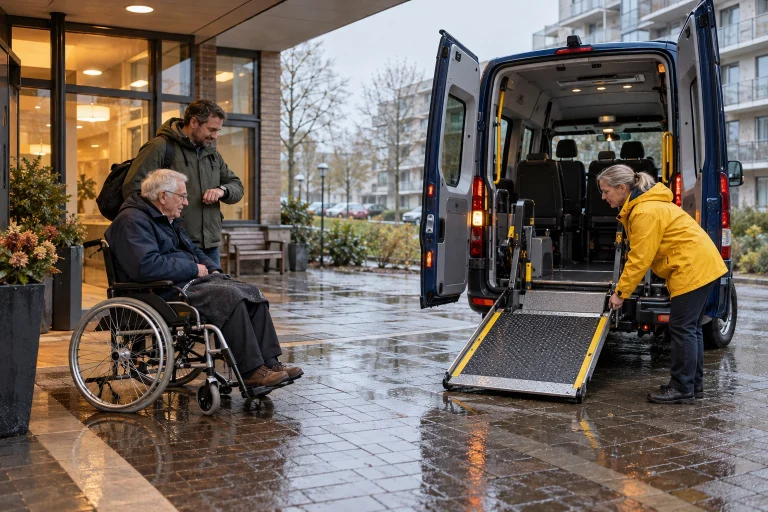
In this article, you will learn how to request a regiotaxi in Zoetermeer, including the conditions and…
Read article
Caring for someone can raise many questions. Whether it's practical questions, doubts, sharing your worries or simply wanting to tell your story.
Sophie listens and thinks along with you – with understanding for your situation.