
Wmo Application Process for Caregivers
Discover how to apply for Wmo support, from notification to decision, and what steps you can take…
Read article
This article explains the differences between an informal caregiver broker and a client supporter, including their roles, target groups, and costs.
Informal caregivers often deal with a lot of administrative tasks. It can be unclear who can best help you. In this article, we discuss the roles of the informal caregiver broker and the client supporter, so you better understand who does what and how they can support you.
An informal caregiver broker helps you with administrative tasks related to the care of a loved one. This can involve filling out applications, contacting insurers, and dealing with letters from agencies. When the care arrangements become too overwhelming, the informal caregiver broker temporarily takes over these tasks from you. This allows you to have more time and peace of mind. They are well-informed about laws and regulations and can assist you in applying for care and paperwork.
The costs for an informal caregiver broker are sometimes reimbursed by your health insurer or municipality, but this is not legally regulated. It varies by insurance, so it is important to check your policy conditions.
If you have questions about the possibilities of an informal caregiver broker or want to know if this is something for you, you can check local or regional offerings through the office: informal caregiver broker.
What would you like to know about the support you can receive?
A client supporter provides free, independent support for questions about care and other matters such as housing, work, and education. This person is on your side and helps you fill out forms, articulate your request for help, and can even accompany you to meetings with the municipality or care office. This is important because the client supporter is not connected to the municipality or care provider, which means they prioritize your interests.
The client supporter can also assist young people and informal caregivers. You do not need to have a conflict to request support; early assistance can actually provide more clarity. For help through the Wmo and Youth Act, your municipality arranges this, and for the Wlz, it can be done through the care office.
If you want to know more about how a client supporter can help you, I can assist you further. What would you like to know?
An informal caregiver broker and a client supporter have different target groups and tasks.
Informal caregiver broker difference client supporter:
Additionally, there is the dementia case manager, who specifically focuses on people with dementia and their informal caregivers. This case manager provides guidance, information, and support in dealing with the disease and the changes it brings.
It is important to know who you can approach for help with administrative matters. The district nurse or general practitioner can help you request a case manager or other support.
The costs for an informal caregiver broker and a client supporter differ.
Informal caregiver broker:
Client supporter:
If you need help with administrative matters, it may be useful to look into the possibilities of an informal caregiver broker or client supporter. What would help you the most?
An informal caregiver broker, case manager, and client supporter have different roles, but their independence is important for the support they provide.
Client supporter: This person is on your side and offers free help with questions about care and support. They assist with filling out forms and can accompany you to meetings with the municipality or care office. Their independence means they are not connected to the municipality or care provider. Everyone can use their support, and they are also there for questions about housing, work, and income.
Informal caregiver broker: This professional specifically focuses on the needs of informal caregivers. They help arrange care for the loved one and can also provide support in finding the right help and relieving the informal caregiver.
Case manager: This is often someone involved in specific care situations, such as dementia. They coordinate care and ensure everything aligns well, but they are usually not independent like a client supporter.
In short, the informal caregiver broker and case manager have specific tasks, while the client supporter is independent and broadly applicable. Would you like to know more about one of these roles?
There are various types of support available for informal caregivers and people who need care. Here is a brief overview of the main roles and how you can request help.
If you want to know more about who can help you with administrative matters, let me know!

Discover how to apply for Wmo support, from notification to decision, and what steps you can take…
Read article
This article helps you understand which care law applies to your help request and where you can…
Read article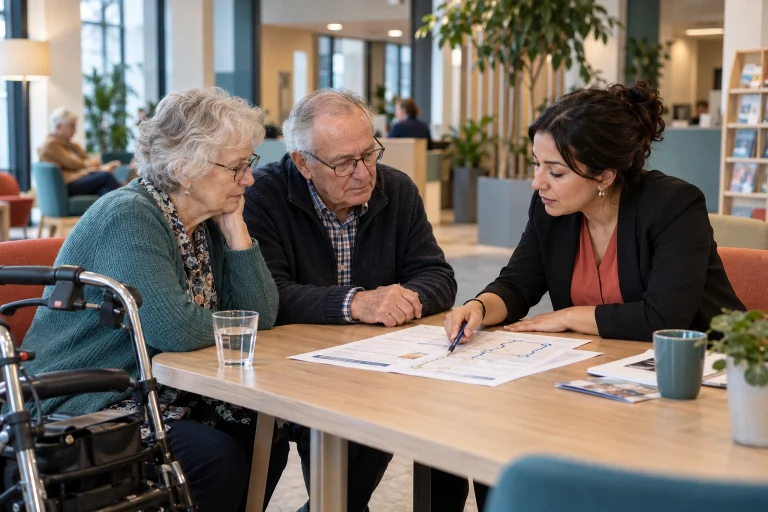
Independent client support offers free assistance with care questions and can guide you to conversations with the…
Read article
Caring for someone can raise many questions. Whether it's practical questions, doubts, sharing your worries or simply wanting to tell your story.
Sophie listens and thinks along with you – with understanding for your situation.